
Stick Divination
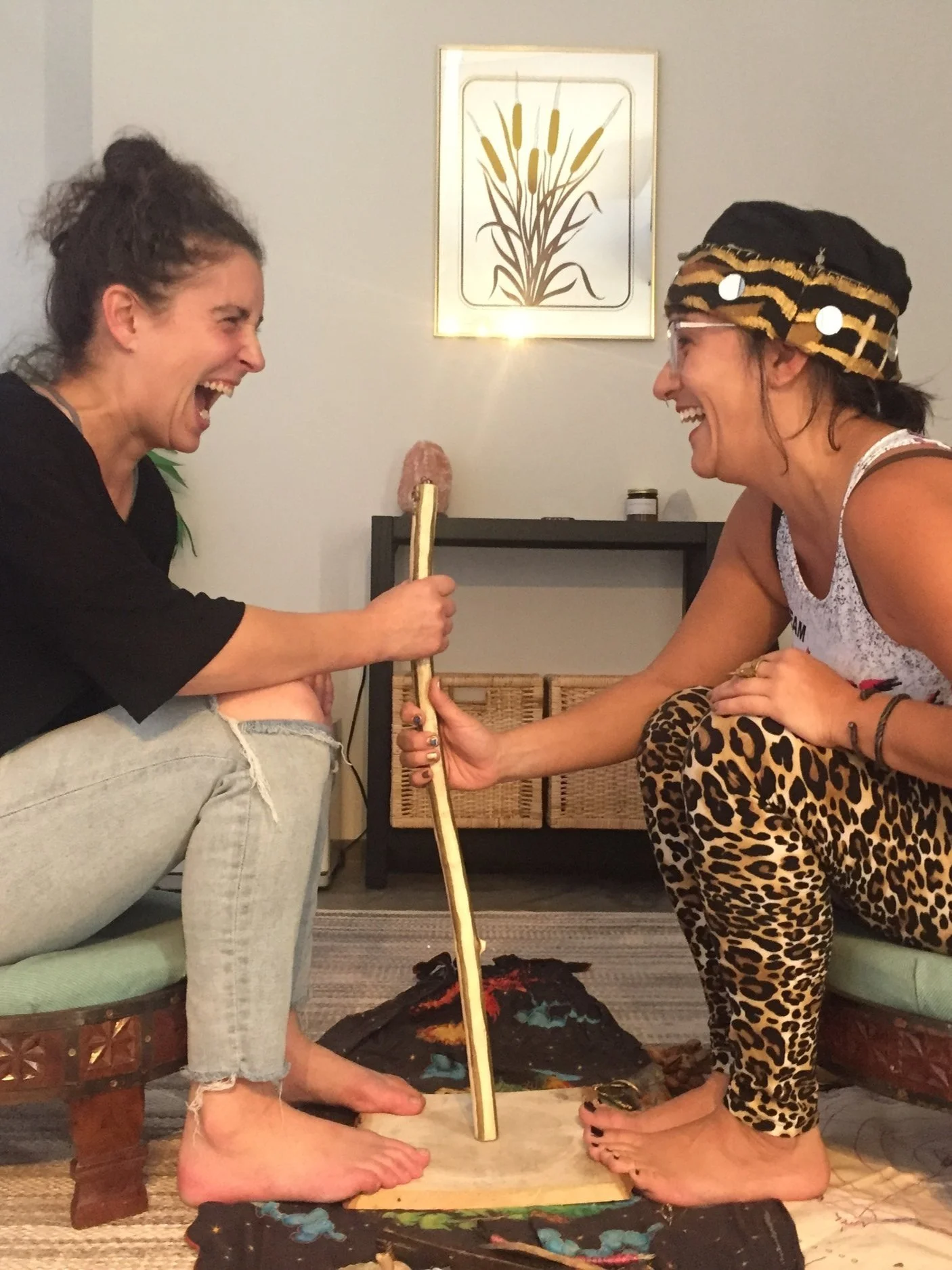
Stick divination is a sacred practice rooted in the Dagara tradition of Burkina Faso, West Africa — a lineage brought to the United States by the late elder Malidoma Somé. At its heart, the practice is a collaboration between the diviner, the client, and the spirit world, particularly the elemental beings the Dagara call the Wedeme — known in other traditions as the fey, the sidhe, fairies, gnomes, or elves.
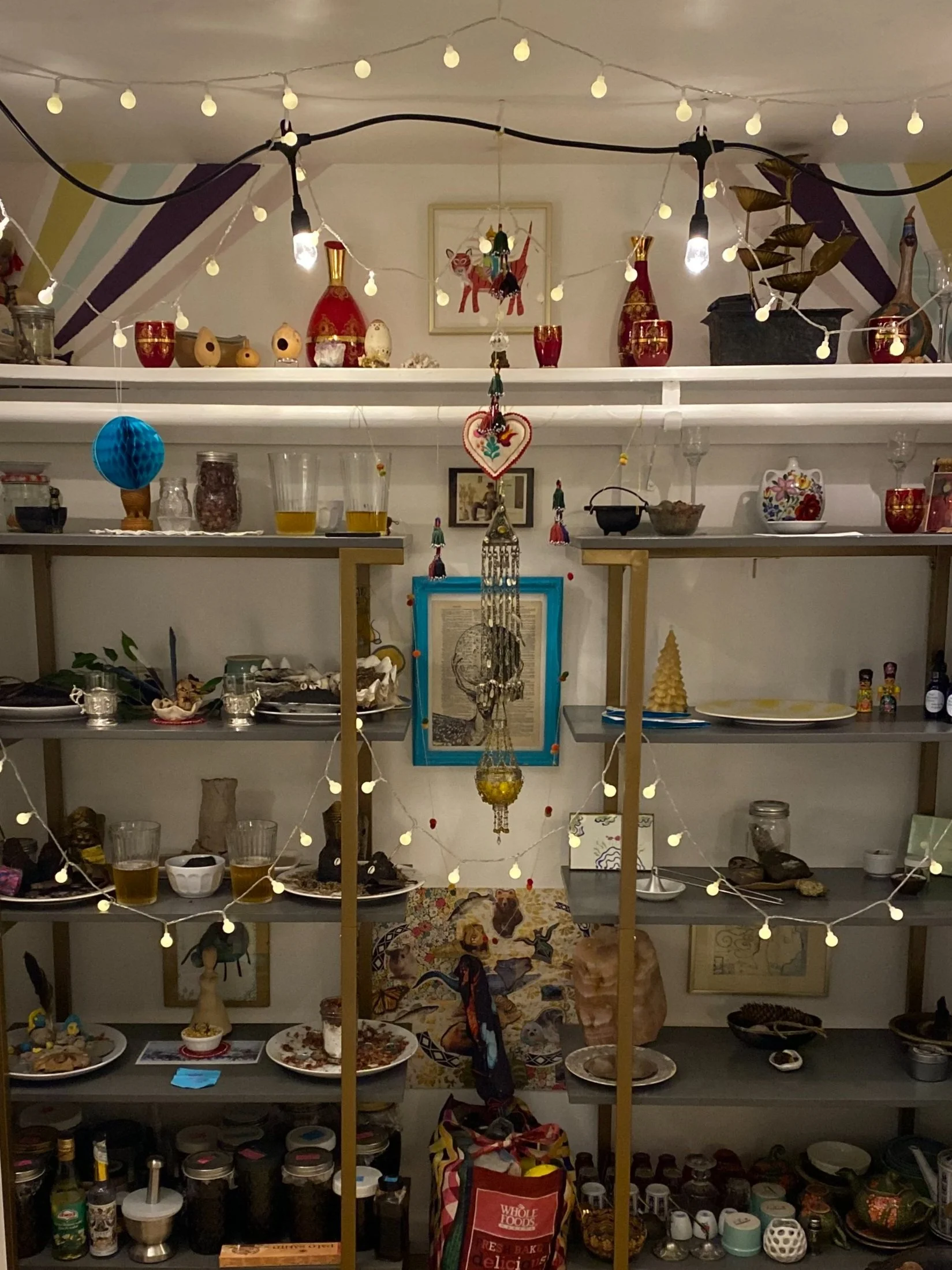
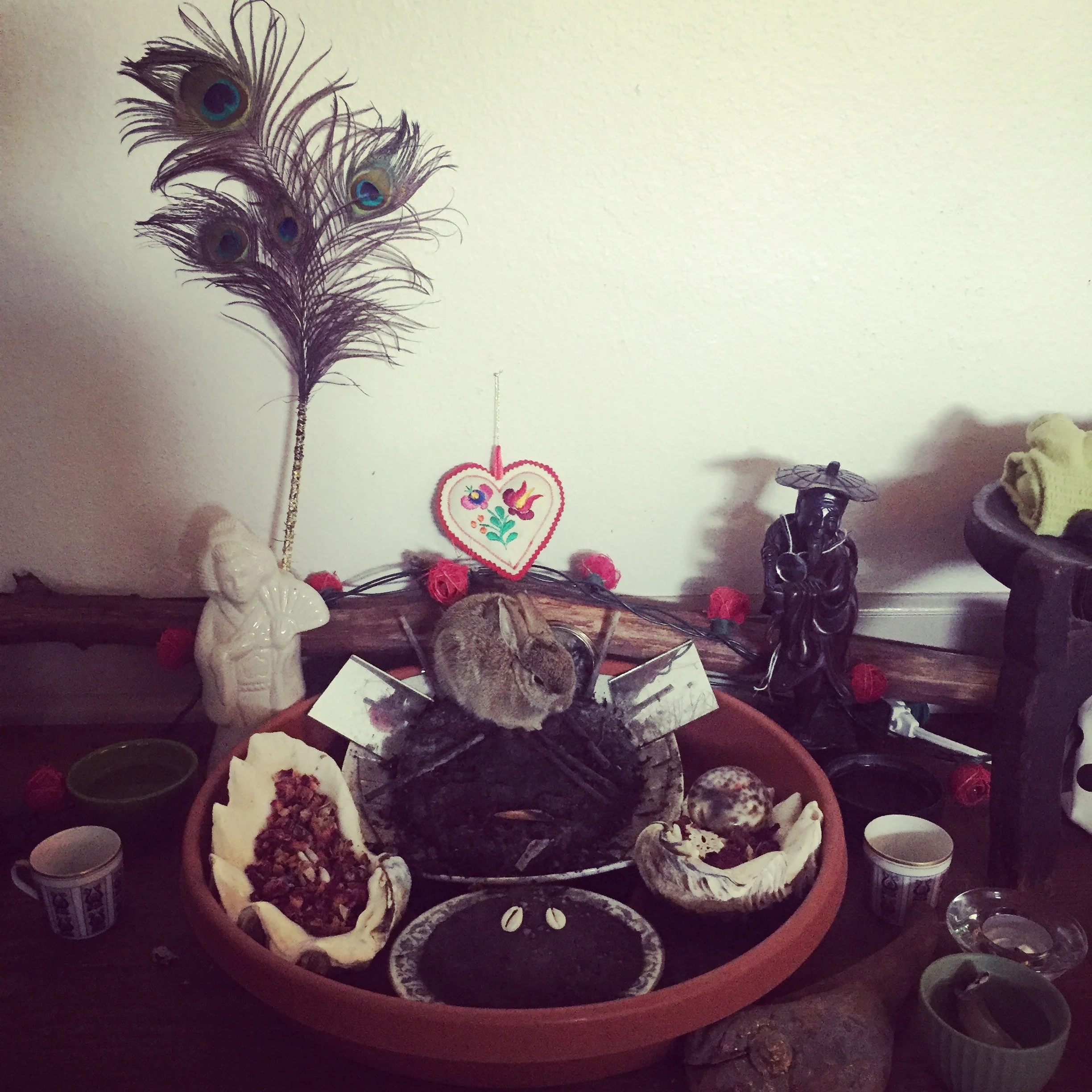
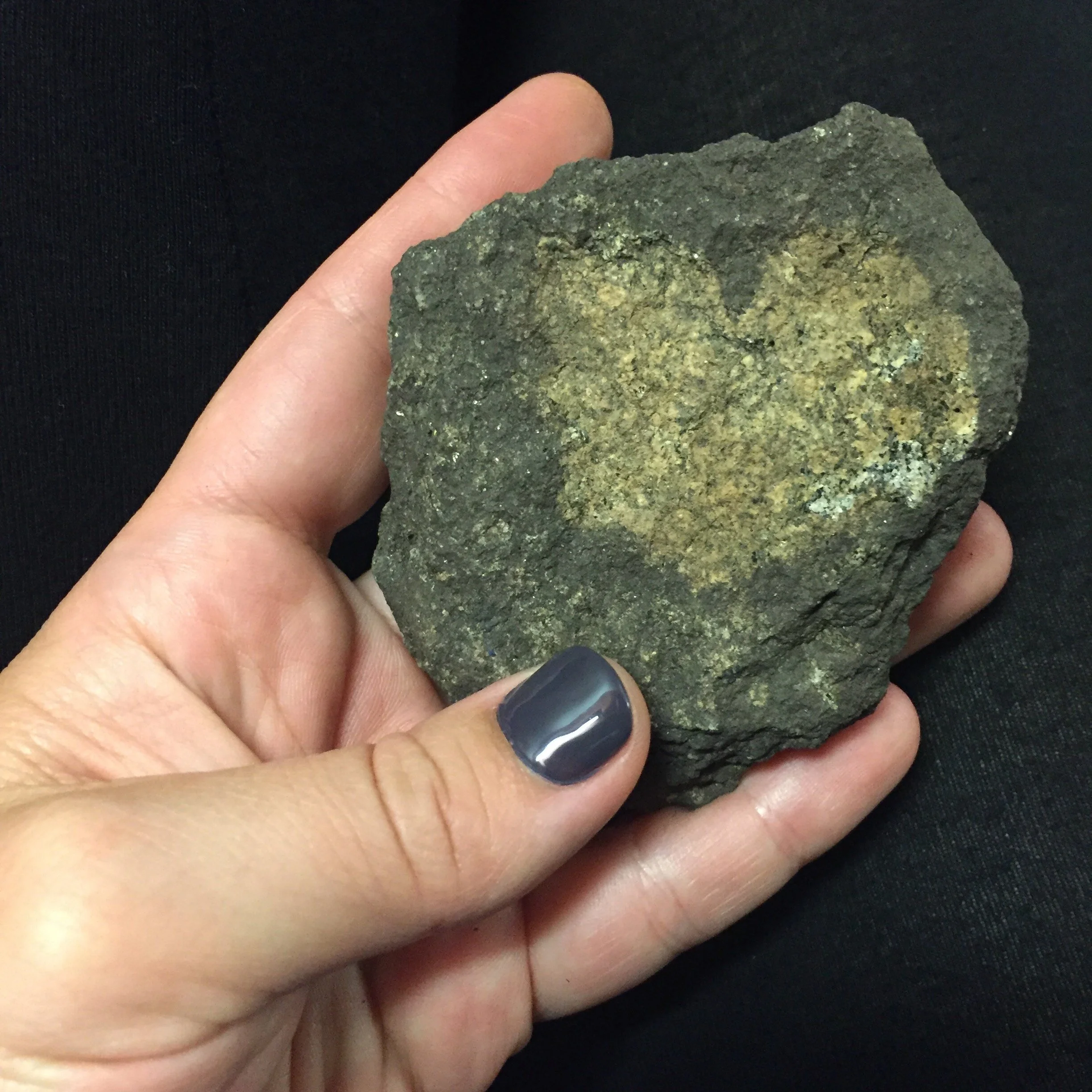
A diviner works with several ritual tools: a stick, a pounding board, a cloth, and a collection of sacred objects called "pieces." These may include stones, shells, chalk, branches, and symbolic icons. Each piece is understood not merely as a symbol but as a living energy or entity — one stone may embody Earth, another Mountain, a shell the spirit of Water, others the presence of angels or archangels. Some pieces belong to the traditional Dagara cosmological system; others have been gifted by clients over time.
A session begins with an invocation, offering gratitude to the spirits of the land, ancestors, guides, and elemental forces. The client and diviner then hold the stick together and draw a selection of pieces, which communicate through the diviner in words and visions. The stick and cowry shells are used to confirm the messages received, keeping the reading on course.
Stick divination is prescriptive by nature — each session closes with personalized rituals for healing and activation, designed to create meaningful change and reconnect you with your own path. Sessions typically last an hour or more and can be conducted in your home or remotely.
What do I need to do to prepare for a divination?
It is helpful to spend some time getting clear on what you wish to ask at your divination. Some folks come with many questions, others with just a few. Questions cover all ranges of topics, and none are off limits! I have been asked to look at questions around work, health, creativity, love, children, pets, and past life memories, to name a few. No question is too small, and you may find a surprising answer that brings many things into perspective.
It is customary to bring a quarter as an offering for the wedemé. Carry the quarter with you beforehand so that you can imprint onto the metal. If the divination is remote, you may mail your quarter ahead of time, or after.
What are the limits of divination?
Divination is not therapy and is not intended to replace seeing a medical or mental health professional for treatment of any kind. A diviner is an initiated person who helps to connect you with elemental beings, ancestors, and other realms through a series of protocols designed for the safety of all. A diviner is there as a guide through the deep wild encountered in meeting other realms. Sometimes divination can touch on material that is thick with emotion, and this is natural. We all have both wounds and resiliency in our lineages. Many of us carry the burden of ancestral traumas, and at times in divination it is possible to come into contact with these. The beings that I work with will never attempt to harm you, and it is my commitment to hold you in a space of safety. However, there are times where further holding and processing outside of my scope of practice may be necessary, and in these cases, I can offer referrals to licensed therapists who can assist you in that work.